Mega Moolah Tier Math: How Progressive Jackpots Actually Work
Mega Moolah Tier Math: How Progressive Jackpots Actually Work Photo by Frans van Heerden on Pexels MBA66 has served Mandarin-speaking players in Singapore since 2014, building a library that spans liv...

Mega Moolah Tier Math: How Progressive Jackpots Actually Work
Photo by Frans van Heerden on Pexels
MBA66 has served Mandarin-speaking players in Singapore since 2014, building a library that spans live dealer tables and a slots lobby packed with titles from Pragmatic Play, JILI, Evolution, and other major studios. One question that comes up repeatedly in player communities is how progressive jackpot tiers actually work — and whether demo mode gives you a fair picture of the real thing. This guide breaks it down in plain language.
The Four-Tier Structure

Photo by Pavel Danilyuk on Pexels
Mega Moolah runs one of the most recognisable progressive jackpot systems in online gaming. It pools contributions from real-money spins across the entire network — not just one platform, but every site running Mega Moolah-eligible titles globally — and divides the accumulated total into four tiers.
Mini jackpot — seeds at approximately USD 10. Triggers most frequently and pays the smallest amounts.
Minor jackpot — seeds at roughly USD 100. Less frequent than Mini, with moderate payouts.
Major jackpot — seeds at around USD 10,000. Rarely triggers, with significantly larger payouts when it hits.
Mega jackpot — seeds at USD 1,000,000. This is the headline tier. When it drops, payouts have historically ranged from USD 1M to USD 20M or more depending on how long the pool has accumulated.
The tier structure is what makes Mega Moolah distinctive. You are not chasing a single jackpot — you are in a drawing for four separate pools every time you spin on a connected title.
Why Demo Mode Cannot Trigger Jackpots
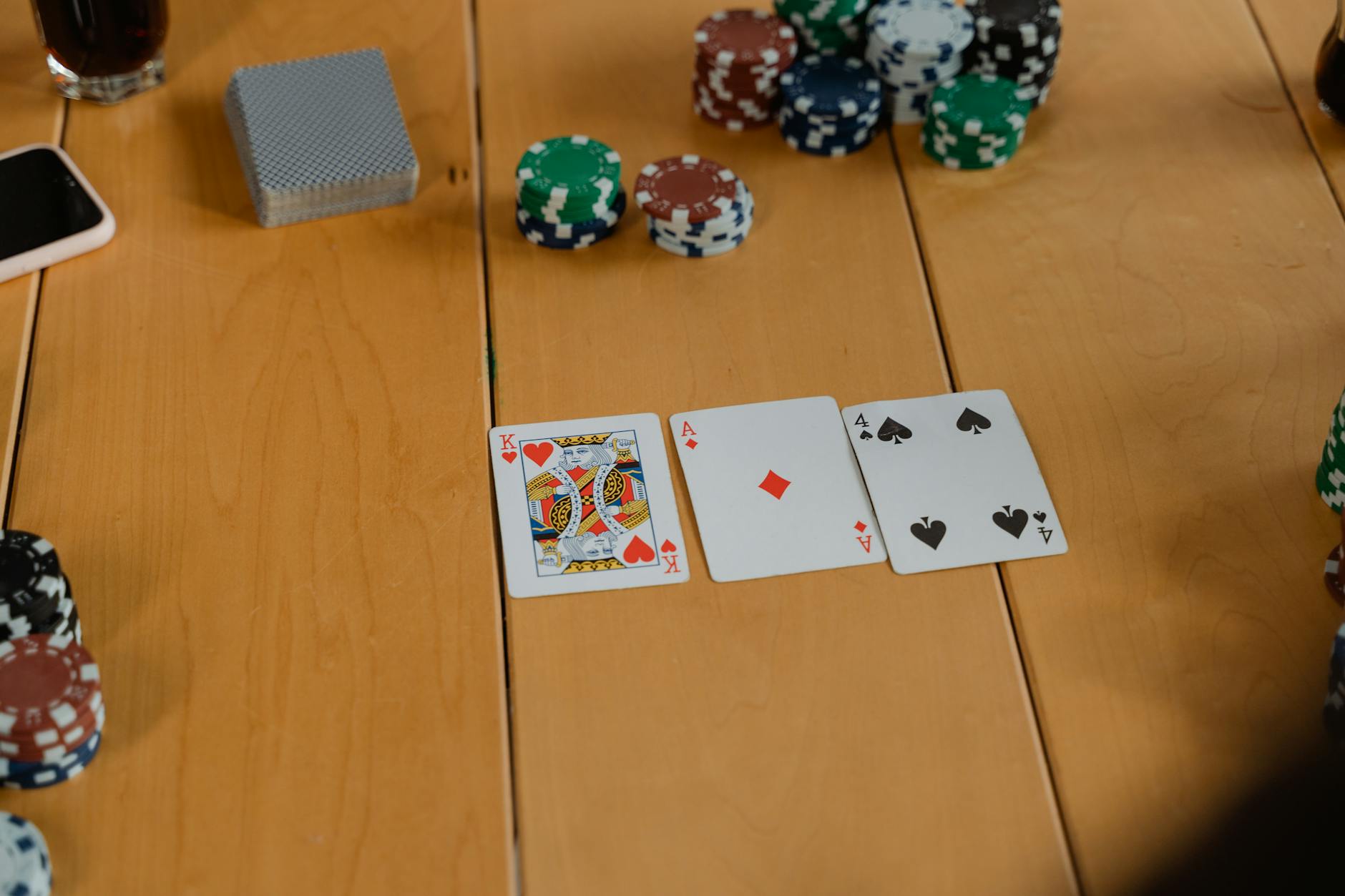
Photo by MART PRODUCTION on Pexels
This is the part that causes the most confusion. Demo mode — sometimes called slot demo play — lets you spin with virtual credits. The base game and bonus round mechanics use the same certified RNG as the real-money version, so the gameplay feel is accurate. But the progressive jackpot pools do not exist in demo mode. Demo balance is not connected to the live network, so triggering any Mega Moolah tier in demo is structurally impossible.
That distinction matters for anyone trying to "test out" whether a jackpot is due. The RNG governing base spins is independent of the jackpot pool state. Demo is useful for learning a slot's features and volatility pattern. It cannot tell you anything about when the Mini, Minor, Major, or Mega tier will drop.
The RNG Layer

Photo by Nancho on Pexels
Random Number Generator technology underpins all outcomes on MBA66's slots and RNG baccarat tables. The RNG determines each card dealt, each reel position, and each bonus trigger — making outcomes statistically random and equally fair to player and platform. This is independent of the jackpot tier system: the RNG handles individual spin results, while the progressive pool tracks accumulated contributions across the real-money network separately.
Understanding this separation is useful when evaluating any claim about jackpot patterns or overdue payouts. Each real-money spin contributes a small fraction to the tier pools simultaneously — the Mini through Mega jackpots grow in parallel with base-game play, not as a bonus round within it.
Poker Betting Rounds at the Cash Table

Photo by Pavel Danilyuk on Pexels
While jackpot slots run on pooled contribution math, poker operates on a fundamentally different pot structure. At any cash table on MBA66, Texas Hold'em hands unfold across four betting rounds: pre-flop, flop, turn, and river. Each round follows the same action sequence — opportunity, then bet, then call, raise, or fold. Showdown resolves the pot using standard five-card hand rankings. The four betting rounds are the same whether you are at a USD 1/2 table or a higher-stakes game. Mega Moolah and poker both run on MBA66, but the underlying economics are entirely different: poker pots grow from bets at the table, while Mega Moolah tiers accumulate from network-wide contributions.
FAQ
How many betting rounds are there in a standard Hold'em hand?
Four: pre-flop, flop, turn, and river, each followed by a showdown if more than one player remains.
Can I check on every street?
Yes — but only if no player has bet ahead of you. Once someone bets, you must call, raise, or fold.
What happens at showdown?
All remaining players use their two hole cards and the five community cards to form the best possible five-card hand. The highest ranking wins the pot.
What are the betting limits?
Limits vary by table stake level. Check the lobby for the specific table you want to join. Higher-stakes tables allow larger bets per round.
Thank you for reading.
MBA66 · Editorial Archive · No. 01